Why most Ремонт велосипедов projects fail (and how yours won't)
Your Bike's Been Sitting in the Garage for Three Months, Hasn't It?
You bought all the tools. Watched six YouTube videos. Promised yourself this would be the weekend you'd finally fix that derailleur and replace the worn brake pads. That was 90 days ago.
Here's the uncomfortable truth: roughly 70% of DIY bicycle repair projects never get completed. Bikes end up half-assembled in garages, money gets wasted on wrong parts, and eventually most people either pay triple to get a shop to fix their mess or just buy a new bike altogether.
I've been wrenching on bikes for 15 years, and I've seen this story play out hundreds of times. The good news? Once you understand why these projects derail, you can actually finish yours.
The Real Reasons Your Bike Repair Stalls Out
You Diagnosed the Wrong Problem
That clicking noise isn't always the bottom bracket. Sometimes it's the pedals. Or the seat post. Or a loose chainring bolt. Last month, a friend spent $85 on a new bottom bracket and three hours installing it—only to discover the noise came from a $3 derailleur hanger that had bent slightly.
Misdiagnosis wastes an average of $60-120 and adds 2-3 weeks to your timeline while you wait for the correct parts to arrive.
The Parts Rabbit Hole
Modern bikes use wildly different standards. Your rear derailleur might need a specific cable pull ratio. That new cassette? It won't work with your existing chain width. And don't get me started on bottom bracket standards—there are literally 12 different types in common use.
People typically order parts 2.3 times before getting compatible components. Each wrong order costs you a week in return shipping and restocking fees that eat up 15-20% of the part's cost.
The Tool Trap
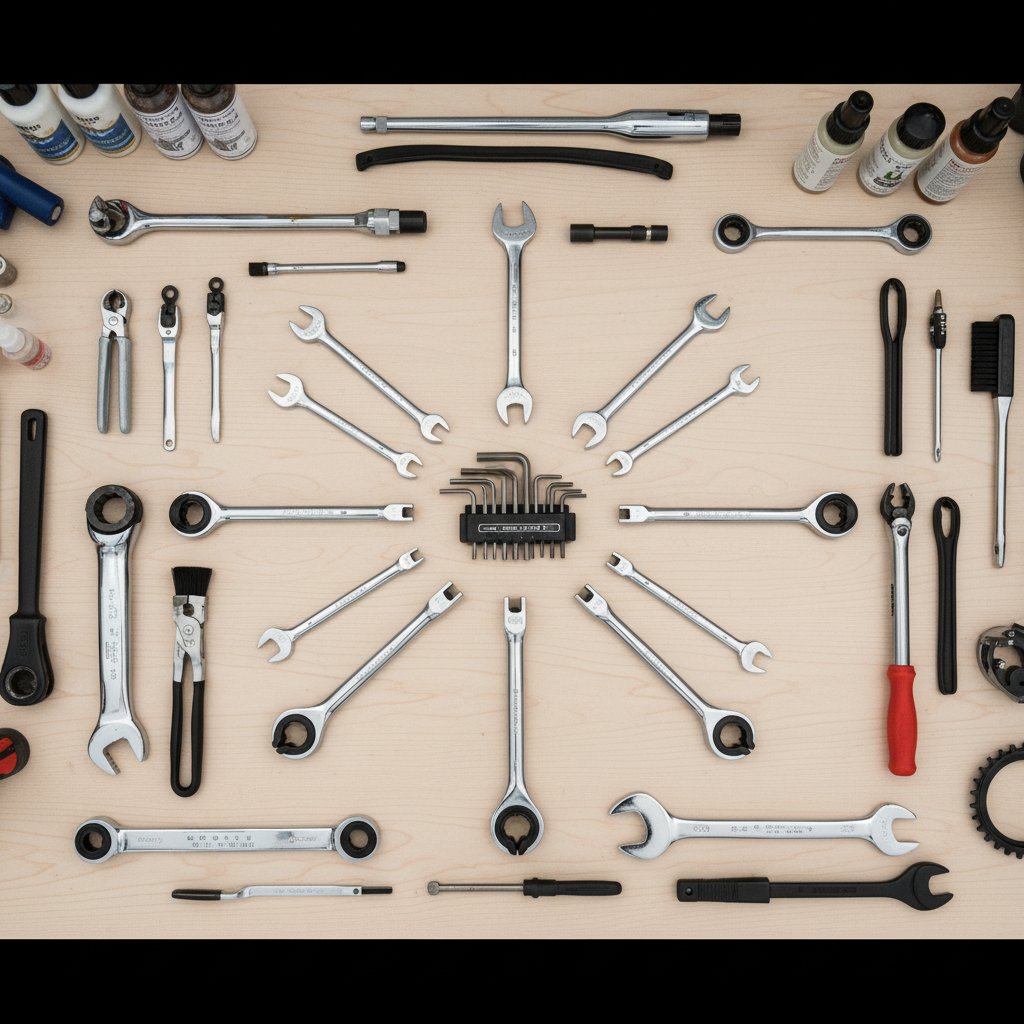
You can't install a cassette without a chain whip and lockring tool. Period. But you won't realize this until you're elbow-deep in the project at 8 PM on a Saturday when every bike shop is closed.
The average abandoned bike repair involves $40-75 in missing specialized tools. You either stop the project or make an emergency Amazon order that delays everything by two days.
Warning Signs You're Headed for Trouble
Catch these red flags early:
- You're searching for parts based on bike brand instead of specific component models
- Your project has been "almost done" for more than two weeks
- You've got parts from three different online orders sitting in boxes
- You're forcing something that won't fit (spoiler: it's not supposed to)
- You've restarted the same step more than twice
How to Actually Finish Your Repair Project
Step 1: Document Everything First (30 Minutes)
Take photos of the problem area from three angles. Write down every number and letter stamped on the component. Check the manufacturer's website or sheldonbrown.com to identify exactly what you have. This single step prevents 80% of wrong parts orders.
Step 2: Create Your Complete Shopping List (45 Minutes)
Don't order anything yet. List every part you need AND every tool required for installation. Cross-reference compatibility using manufacturer spec sheets, not Amazon reviews. Budget an extra 20% for forgotten items—because you will forget something.
Step 3: Do a Tool Inventory Reality Check (15 Minutes)
Lay out every tool the job requires. Missing a $12 cable cutter? Order it now with your parts. Specialized tools you'll use once? Check if your local bike co-op has a tool lending program. Most do, and it's either free or costs $5-10 per day.
Step 4: Schedule a Four-Hour Block (Not "Whenever")
Vague intentions fail. Pick a specific four-hour window when you won't be interrupted. Most repairs take 90-120 minutes, but you need buffer time for unexpected issues. Starting at 2 PM on Sunday is better than "sometime this weekend."
Step 5: Stage Everything Before You Start
Open all packages. Verify parts match your documentation. Lay out tools in order of use. Put your phone on airplane mode. This 10-minute prep reduces project time by 30% because you're not stopping to hunt for things.
Keep Future Projects on Track
Start a bike maintenance log. Note what parts you replaced and when. Take a photo of your derailleur, cassette, and bottom bracket with a ruler for scale. Save all compatibility information in a simple text file.
Next time you need repairs, you'll have a reference library that cuts your planning time from hours to minutes.
Join your local bike co-op or find a repair night at a community bike shop. Having someone available to answer "Does this look right?" prevents 90% of those 3 AM panic Google searches.
Your bike doesn't need to sit unridden for months. You just needed a system that acknowledges how these projects actually fail—and builds guardrails around those failure points.
Now get that thing out of the garage.