The real cost of Ремонт велосипедов: hidden expenses revealed
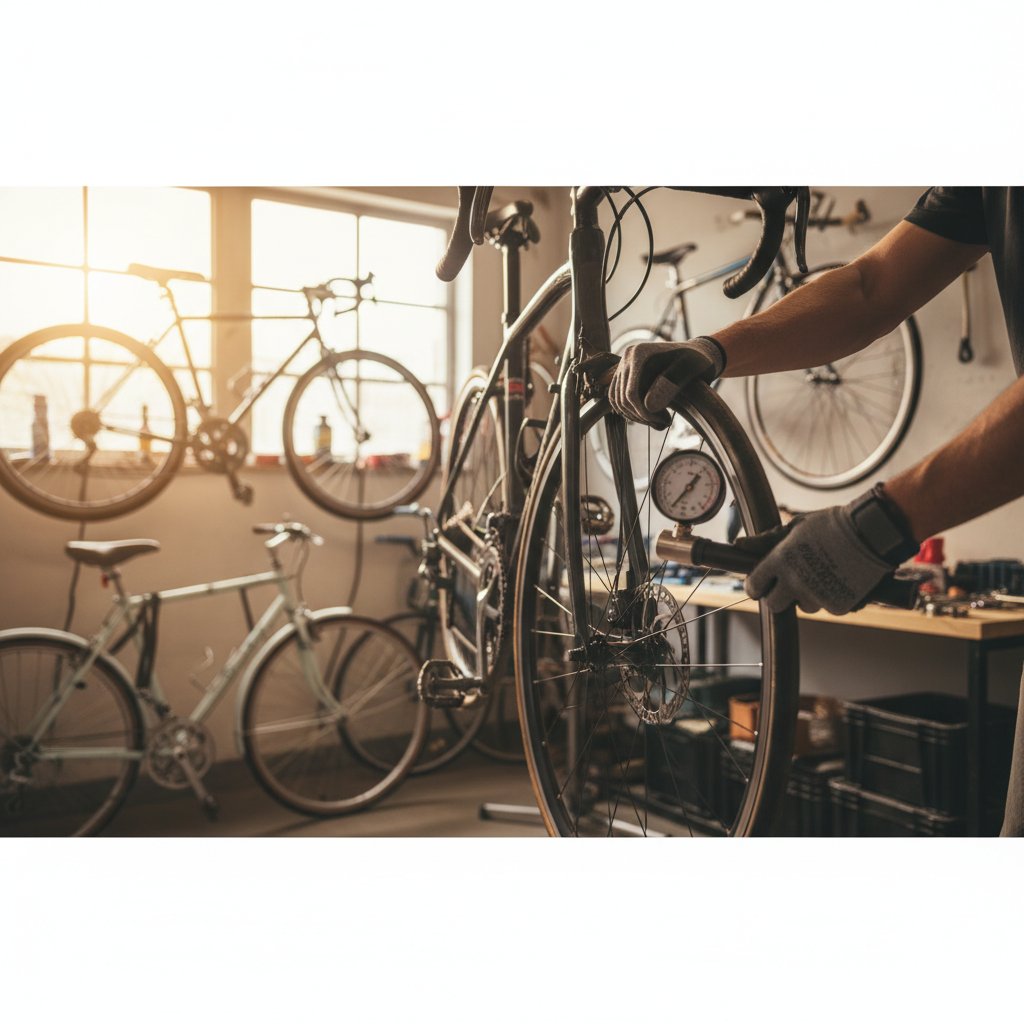
The $800 Surprise That Changed How I Think About Bike Maintenance
Last spring, I wheeled my trusty commuter bike into the shop for what I thought would be a simple tune-up. Forty-five minutes later, I walked out with a repair estimate that made my eyes water: $847. For a bike I'd paid $600 for three years earlier.
The mechanic wasn't trying to rip me off. Turns out, I'd been ignoring small issues for so long that they'd snowballed into major problems. That "minor clicking sound" in my drivetrain? A worn cassette had chewed through my chain, which then damaged the chainrings. The "slightly mushy" brake feel? Contaminated hydraulic fluid that required a full system bleed and new pads.
Welcome to the hidden world of bicycle repair costs, where that $50 tune-up can quickly balloon into something that makes you question whether you should've just taken the bus.
Why Your Repair Bill Keeps Growing
Here's what most cyclists don't realize: bike shops rarely make money on basic repairs. Their margins on a standard tune-up hover around 15-20%, which barely covers overhead. The real costs emerge when deferred maintenance creates cascading failures.
The Domino Effect Nobody Warns You About
A stretched chain costs $25-40 to replace. Ignore it for 500 extra miles, and you're looking at $80 for a new cassette. Push it further, and those $120 chainrings need replacing too. That's $240 in parts versus $30, all because you waited.
According to data from the National Bicycle Dealers Association, the average repair ticket that starts as a "quick fix" ends up 2.3 times higher than the initial estimate once mechanics discover related wear. They're not upselling you—they're showing you the truth your bike has been hiding.
Labor Rates Are Climbing (And Here's Why)
Ten years ago, bike shop labor ran $50-60 per hour. Today? Try $80-120 in most urban markets. But before you rage about price gouging, consider this: modern bicycles have become exponentially more complex.
Electronic shifting systems require specialized diagnostic tools costing thousands. Hydraulic disc brakes need proper bleeding equipment. Carbon fiber frames demand torque wrenches calibrated to within 0.5 newton-meters. One mechanic I spoke with spent $8,000 on tools last year just to keep up with new standards.
"We're not just tightening bolts anymore," says Marcus Chen, a master mechanic with 15 years of experience. "A single electronic derailleur adjustment requires a laptop, proprietary software, and about 30 minutes of diagnostic work. That's not something you can do with a screwdriver and good intentions."
The Expenses They Don't List on the Menu Board
Shipping and Sourcing Delays
Need a replacement part? Add $15-30 in shipping costs and potentially 7-10 days of waiting. Many shops have stopped stocking deep inventory because carrying costs eat their slim margins. Your bike sitting in the repair queue for a week isn't generating revenue, but it's occupying valuable floor space.
The "While We're In There" Tax
Mechanics often discover additional problems once they start disassembling components. Those bottom bracket bearings? Completely seized. The headset? Corroded beyond saving. These aren't upsells—they're legitimately dangerous conditions that need addressing. But they add $80-150 to your bill without warning.
Proprietary Parts Premium
Bought a bike from a major manufacturer? Good luck finding generic replacement parts. That specific derailleur hanger costs $45 from the OEM versus $12 for a standard design. Proprietary bottom bracket tools run $60. Special brake pads with compound formulations? $35 instead of $18 for universal options.
What Actually Saves Money Long-Term
After my $800 wake-up call, I started tracking my maintenance spending. The results surprised me. By investing $120 in a basic tool kit and learning to handle simple tasks—chain cleaning, brake pad replacement, derailleur adjustments—my annual repair costs dropped 60%.
But here's the twist: I still take my bike to the shop twice a year for professional service. Those visits cost $180 each, but they catch problems before they cascade. Total annual spending: $480. Before my DIY approach? I was averaging $720 in emergency repairs.
The math works because prevention is genuinely cheaper than crisis management. A shop visit every six months costs less than one major overhaul triggered by neglect.
Key Takeaways
- Deferred maintenance multiplies costs: A $30 chain replacement becomes $240 in cascading repairs within 1,000 miles
- Modern complexity drives prices: Labor rates reflect $5,000-10,000 in specialized tools per mechanic
- Hidden costs add 30-40%: Shipping, proprietary parts, and discovered issues inflate initial estimates
- Prevention beats crisis: Bi-annual professional service ($180) costs less than one emergency repair ($300+)
- Hybrid approach wins: DIY basic maintenance plus professional check-ups reduces annual costs by 40-60%
That initial $847 estimate taught me something valuable: bikes don't get cheaper to maintain by ignoring them. They get expensive. Really expensive. The real cost of bicycle repair isn't what shops charge—it's what we pay for pretending that clicking sound will fix itself.