Ремонт велосипедов: common mistakes that cost you money
The Real Cost of Bicycle Repair Mistakes: DIY vs. Professional Service
Your bike chain is squeaking like a rusty gate. Do you grab some WD-40 and spray away, or do you book an appointment at the local shop? That simple decision might mean the difference between a $5 fix and a $150 replacement cassette three months down the road.
Most cyclists waste somewhere between $200-$400 annually on avoidable repair costs. Not because bikes are inherently expensive to maintain, but because we make preventable mistakes that snowball into bigger problems. Let's break down the two approaches and see where your money actually goes.
The DIY Repair Route: Saving Money or Creating Problems?
Advantages of Going Solo
- Immediate savings: A basic repair stand costs $80-120, but pays for itself after 3-4 shop visits
- Learn your machine: You'll spot problems earlier when you understand how everything connects
- Convenience factor: Fix issues at 10 PM in your garage instead of waiting three days for a shop appointment
- Part selection control: Choose between budget and premium components based on your actual needs, not shop margins
Where DIY Goes Wrong
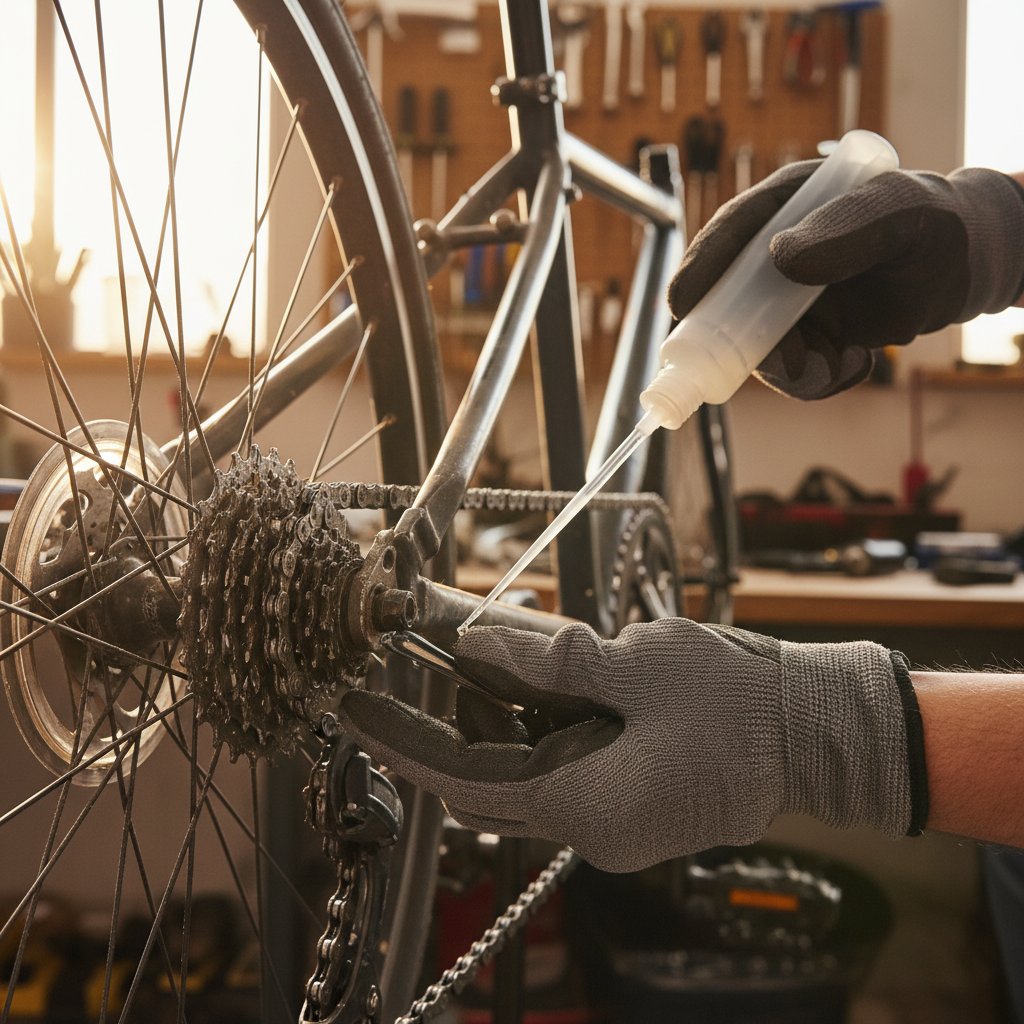
- The wrong lubricant disaster: Using WD-40 on chains attracts dirt like a magnet, wearing down your drivetrain 40% faster than proper chain lube. That's a $120 cassette replacement every 1,500 miles instead of 3,000.
- Overtightening bolts: Carbon fiber components crack at specific torque levels. Without a torque wrench ($30-50), you might snap a $300 seatpost or strip an aluminum thread.
- Misdiagnosed problems: Thinking you need new brake pads when actually your wheel needs truing wastes $25 and doesn't fix the rubbing sound.
- Incomplete repairs: Replacing a chain without checking cassette wear means your new chain skips under pressure within 100 miles.
- Time investment: That "quick" derailleur adjustment can eat up your entire Saturday when you're learning.
Professional Bike Shop Repairs: Worth the Premium?
What You're Actually Paying For
- Diagnostic accuracy: Experienced mechanics spot related issues before they cascade. Your $45 tune-up might prevent a $200 wheel rebuild next month.
- Proper tools: Shops have $5,000+ in specialized equipment—bottom bracket facing tools, hydraulic bleed kits, and wheel truing stands you'll never justify buying.
- Warranty protection: Most shops guarantee their work for 30-90 days. DIY mistakes? That's all on you.
- Speed: A professional can true a wheel in 15 minutes. Your first attempt might take three hours and still wobble.
The Downsides of Shop Dependency
- Labor costs add up: Basic tune-ups run $75-150. Need a wheel built? That's $50-80 in labor alone, plus parts.
- Scheduling delays: Peak season waits stretch to 5-7 days in many cities. Your riding plans go on hold.
- Upselling pressure: Some shops push unnecessary services. Do you really need that $120 full drivetrain cleaning after 300 miles?
- Transportation hassle: Getting a bike to the shop without a car means riding there with the problem you're trying to fix.
Cost Comparison: Real Numbers Over One Year
| Scenario | DIY Approach | Shop Service |
|---|---|---|
| Basic tools/initial cost | $150-250 | $0 |
| Regular maintenance (chain, cables, pads) | $60-80 | $180-250 |
| Mistakes/learning curve | $100-200 | $0 |
| Major service (tune-ups) | $40 (parts only) | $150-300 |
| First year total | $350-570 | $330-550 |
| Second year onward | $100-150 | $330-550 |
The Smart Money Strategy
Here's what actually works: hybrid maintenance. Handle the routine stuff yourself and outsource the technical work.
Do yourself: Chain cleaning and lubrication (saves $25 every 200 miles), brake pad replacement on mechanical systems, tire changes, basic derailleur adjustments, and cleaning. These tasks have low risk and high frequency.
Leave to professionals: Hydraulic brake bleeds, wheel building and truing, bottom bracket installation, suspension service, and anything involving carbon fiber torque specifications. The cost of screwing these up exceeds the service fee.
Buy three essential tools first: a chain checker ($10), torque wrench ($40), and decent chain lube ($12). These prevent the most expensive mistakes while keeping your investment minimal.
Most riders hit their sweet spot spending about $180 annually on professional services plus $60 on DIY maintenance supplies. That's roughly half what full shop dependency costs, with minimal risk of expensive amateur-hour disasters.
Your bike doesn't care about your ego. Sometimes the cheapest option is paying someone who's done it 10,000 times before.